
If the past few weeks have taught Manitobans anything, it's that Mother Nature doesn't always give us much warning.
From severe thunderstorms and torrential rainfall across southern Manitoba to widespread flooding in western communities, many homeowners have recently found themselves dealing with flooded basements, water-damaged belongings, and costly cleanup efforts. Some areas of the province received well over 150 mm of rain in a matter of hours, overwhelming drainage systems and causing flash flooding that displaced residents and damaged homes and infrastructure. Recent storms have even prompted provincial financial assistance programs for homeowners affected by flooding.
While we can't control the weather, we can take steps to reduce the risk of water damage to our homes.
Whether you've experienced basement flooding before or simply want to protect your biggest investment, these practical water management tips can help keep your home dry and your stress levels low.
Start with the Simple Stuff: Eavestroughs and Downspouts
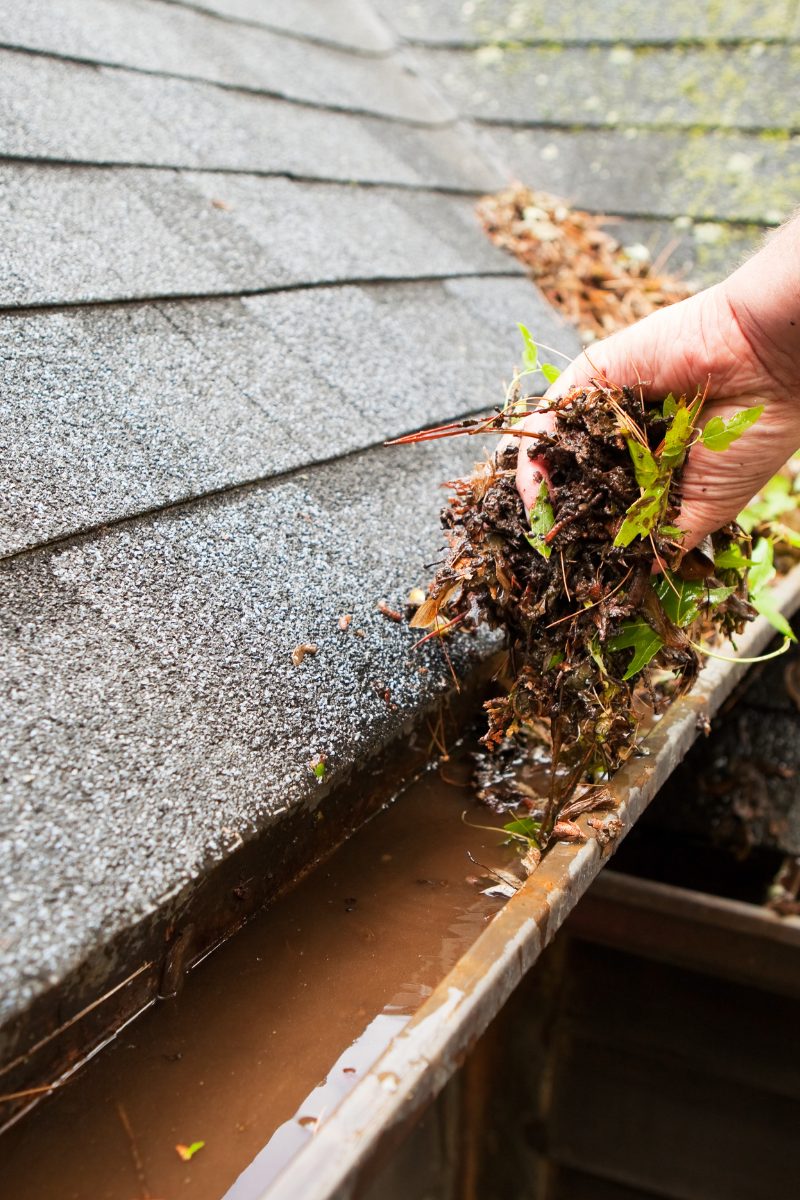
One of the easiest and most effective ways to prevent water problems starts above your head. When eavestroughs become clogged with leaves, twigs, and debris, rainwater can overflow and pool around your foundation. (Some areas of the city are currently experiencing an extreme amount of elm seeds that are clogging people's eavestroughs, it's a good idea to check!) Over time, that water can find its way into your basement.
A quick seasonal inspection can make a huge difference:
- Clean gutters and eavestroughs at least twice a year.
- Ensure downspouts extend at least six feet away from your home's foundation.
- Check for leaks, sagging sections, or disconnected joints.
- Make sure splash pads direct water away from the house.
It may not be glamorous, but a ladder and an afternoon of maintenance can save thousands of dollars in repairs.
Your Yard Should Help Water Leave, Not Stay
Take a walk around your home after a heavy rainfall.
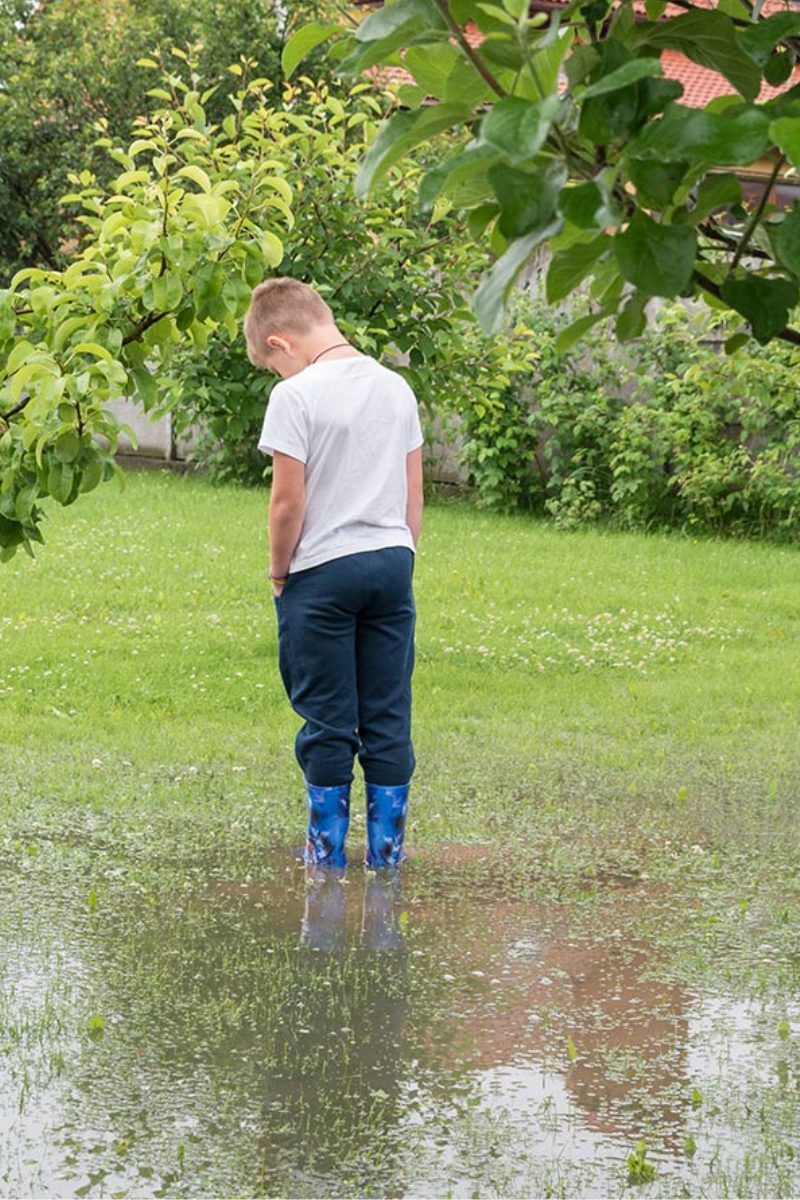
Do you notice puddles sitting beside your foundation? Is water flowing toward your house instead of away from it?
Proper grading is one of the most overlooked aspects of flood prevention. Ideally, the soil around your home should slope away from the foundation so rainwater naturally drains away.
If low spots have developed over the years, adding soil and regrading certain areas can significantly improve drainage.
Pay attention to:
- Low areas where water collects.
- Window wells that fill during storms.
- Landscaping features that trap runoff.
- Patios or walkways that slope toward the home.
A little reshaping today can prevent a lot of headaches tomorrow.
Know Your Home's First Line of Defence
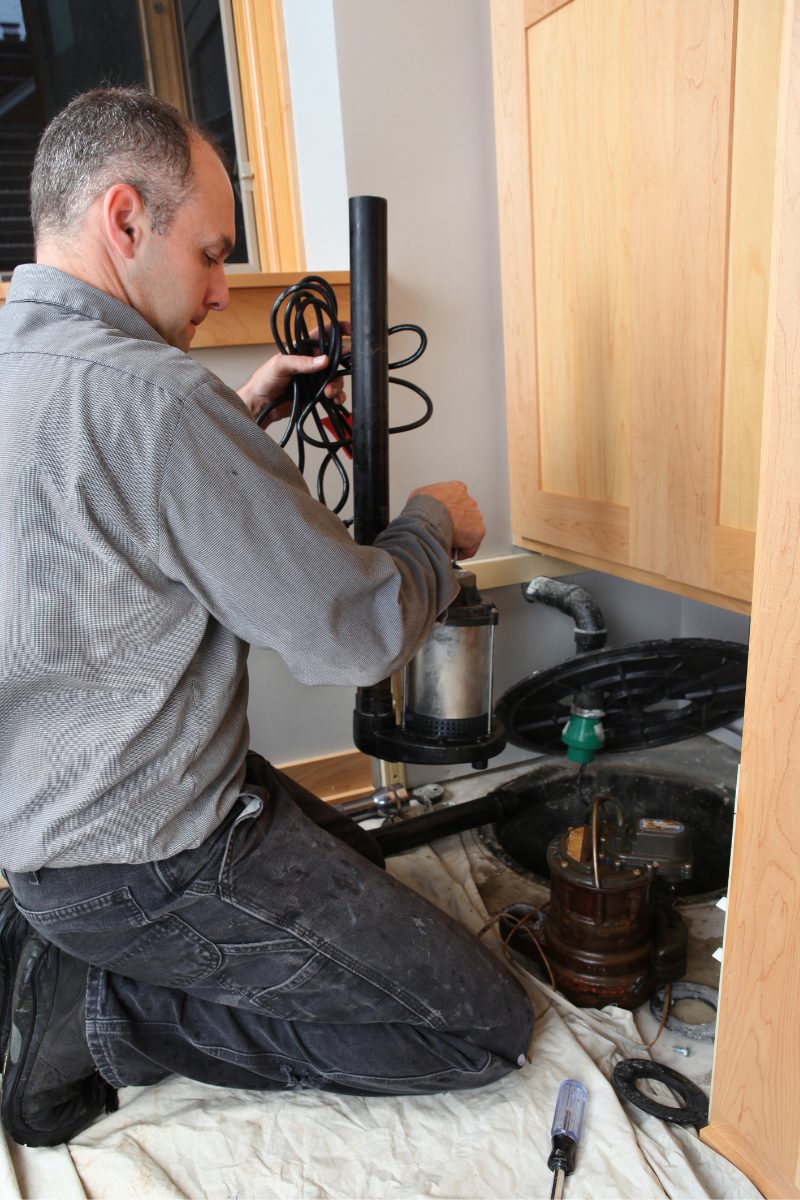
If your home has a sump pump, now is the time to make sure it's working.
A sump pump helps remove water that accumulates around your foundation before it can enter your basement. Unfortunately, many homeowners don't discover theirs isn't working until they're standing in water.
A few quick checks can help:
- Test the pump by pouring water into the sump pit.
- Verify the discharge pipe is clear and draining properly.
- Consider installing a battery backup system.
- Schedule routine maintenance if the unit is older.
Power outages often accompany severe storms, which is why a backup power source can be just as important as the pump itself.
Similarly, backwater valves help prevent sewage from backing up into your home during periods of heavy rainfall. Manitoba has long encouraged homeowners to install these systems, and subsidy programs have previously helped offset installation costs.
Don't Ignore Small Foundation Cracks
Water is remarkably persistent.
Even tiny cracks in foundation walls or floors can allow moisture to seep into your basement when the surrounding soil becomes saturated.
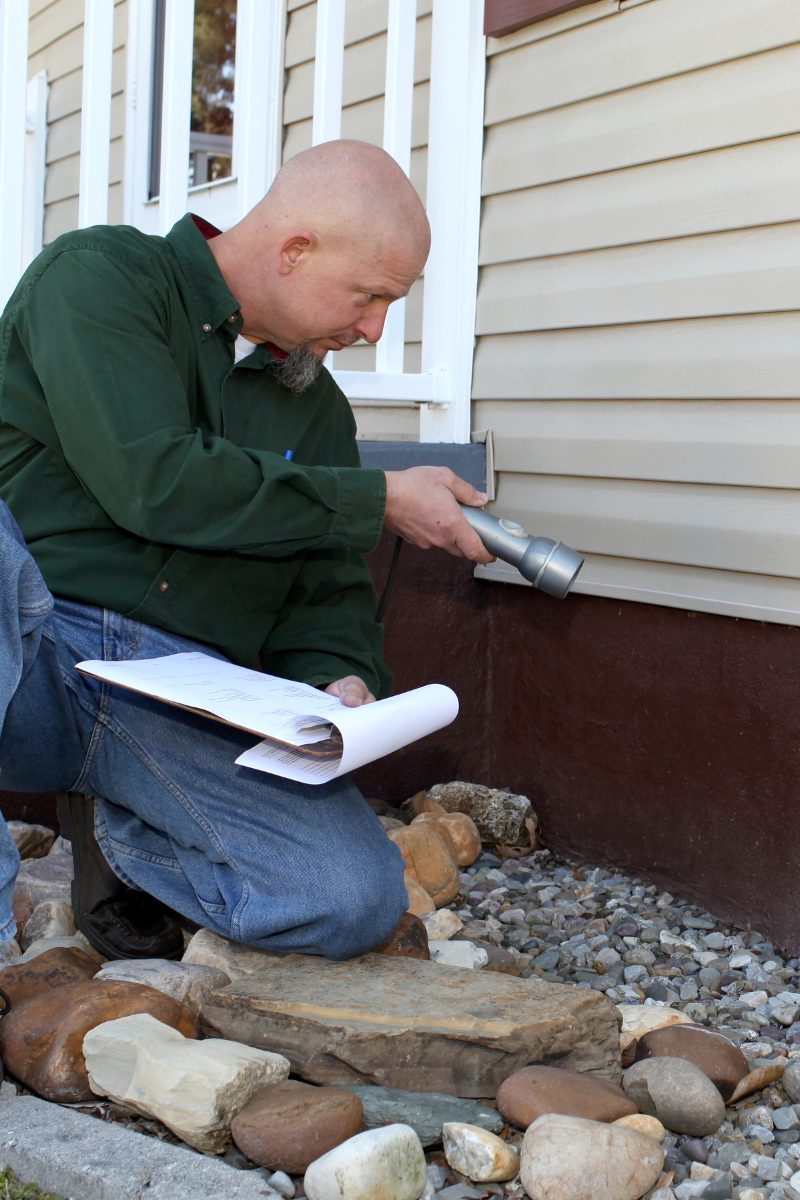
During a dry day, inspect your basement for:
- Hairline foundation cracks.
- Damp spots on walls.
- Efflorescence (white powdery residue on concrete).
- Musty smells.
Addressing minor issues early is far less expensive than dealing with major water damage later.

Check Your Insurance Before You Need It
One of the biggest surprises many homeowners face after a flood is discovering what their insurance policy doesn't cover.
Flood-related coverage can vary significantly depending on how water enters the home. Sewer backup, overland flooding, and groundwater seepage may require additional coverage options beyond a standard homeowner's policy.
Take a few minutes to contact your insurance provider and ask:
- Do I have sewer backup coverage?
- Am I covered for overland flooding?
- What exclusions apply?
- Are there limits on basement contents coverage?
Understanding your coverage before a claim becomes necessary can save considerable frustration later.
Store Important Items Higher
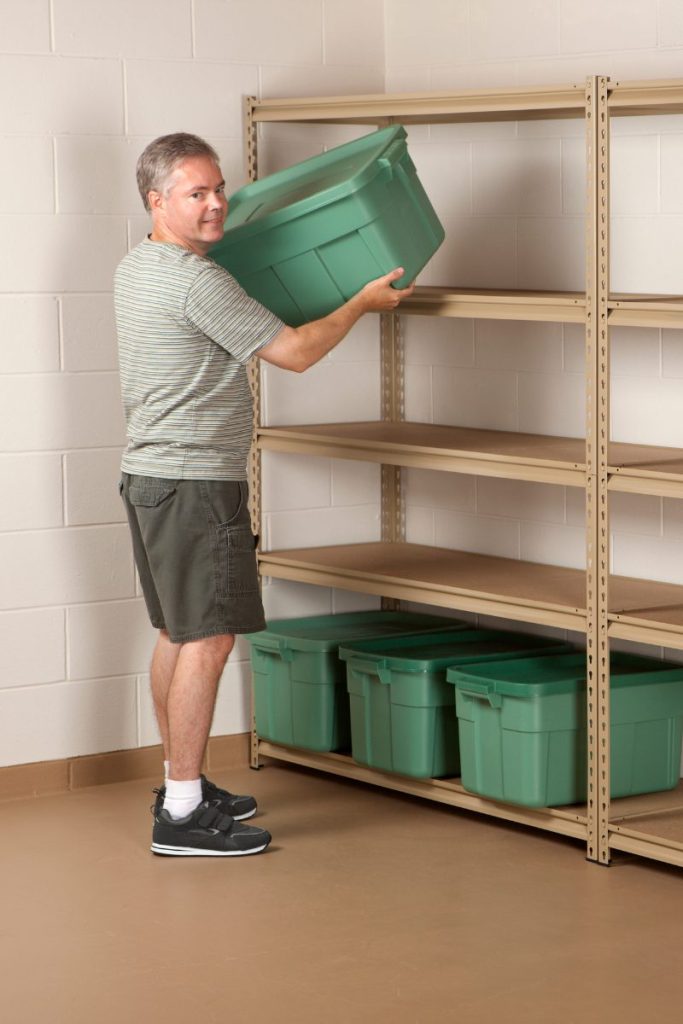
Many Manitobans use their basements for storage, but important documents and valuables should never be stored directly on the floor.
Consider moving these items to:
- Upper levels of the home.
- Elevated shelving.
- Waterproof storage containers.
This simple habit can prevent the loss of irreplaceable records, photos, and keepsakes.
If Your Basement Floods, Act Quickly
If water does enter your home, speed matters.
Moisture can begin causing damage almost immediately, and mold growth can start within 24 to 48 hours.
If flooding occurs:
- Contact your insurance company.
- Shut off electricity to affected areas if it is safe to do so.
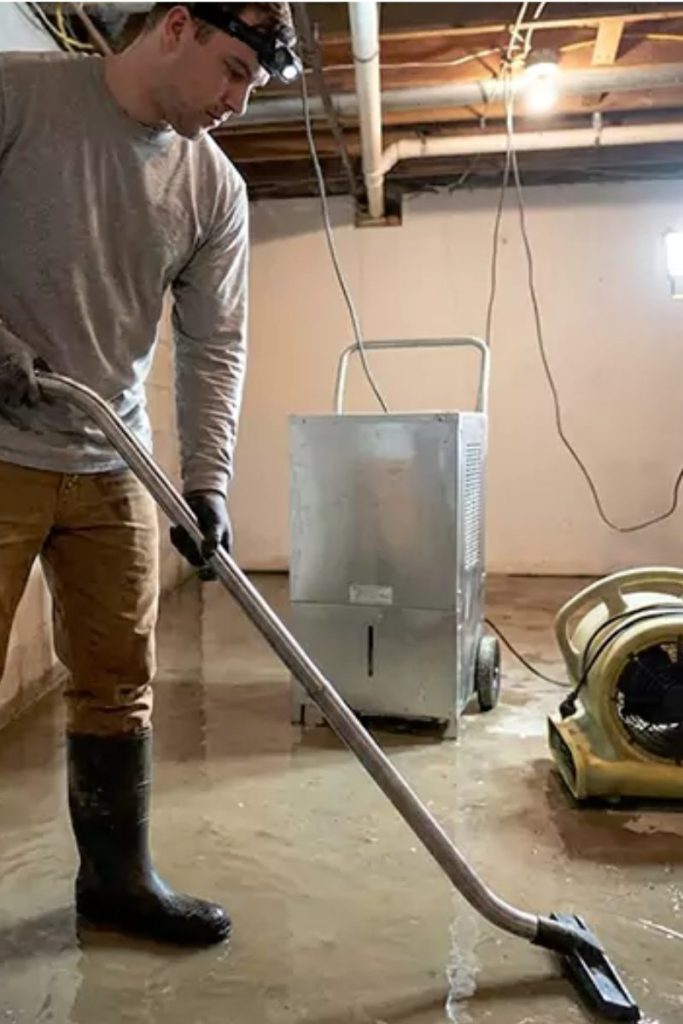
- Remove water as quickly as possible.
- Begin drying affected materials immediately.
- Document all damage with photos and videos.
Don't hesitate to call restoration professionals if the flooding is significant or involves sewer backup.
Living in Manitoba means enjoying beautiful summers, incredible communities, and four distinct seasons. It also means dealing with occasional extreme weather.
Recent storms across the province have shown just how quickly conditions can change. While no home is completely flood-proof, proactive maintenance and smart water management can dramatically reduce your risk.
The best time to prepare for the next heavy rainfall isn't when Environment Canada issues a warning.
It's today.
A few preventative measures now could save you thousands of dollars, countless hours of cleanup, and a great deal of stress down the road.
After all, protecting your home isn't just about maintaining property value—it's about protecting the place where your family makes memories every day.